What You Need to Know About the New ‘Cicada’ COVID Variant in 25 States
Understanding the New BA.3.2 Variant
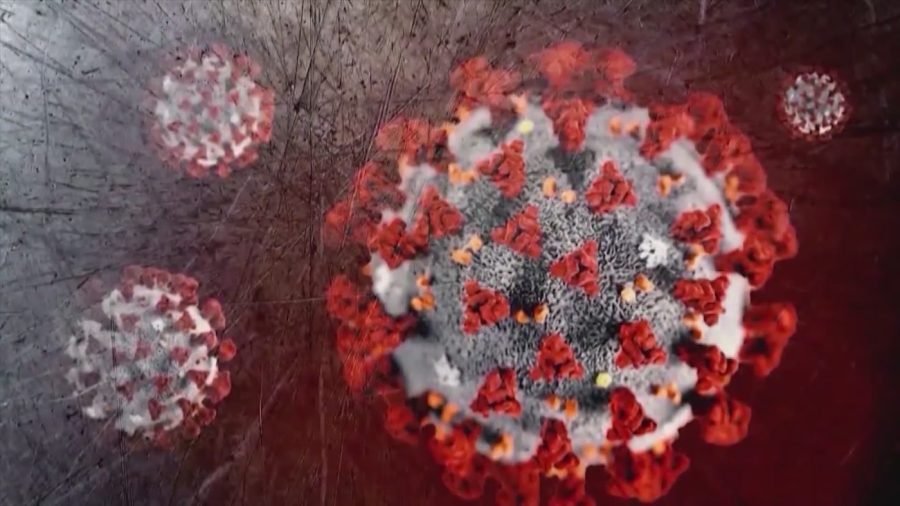
A new, highly-mutated variant of the SARS-CoV-2 virus has emerged, sparking concern among public health officials. This variant, known as BA.3.2, has been nicknamed “Cicada” due to its relation to the BA.3 variant, which remained largely dormant for several years—much like cicadas that emerge after long periods of inactivity.
BA.3.2 is part of the omicron family and has significant mutations compared to previous variants such as JN.1 and LP.8.1. These mutations are particularly concerning because they were the basis for the development of the 2025-2026 COVID-19 vaccines. While it’s not yet clear if BA.3.2 can fully evade vaccine protections, experts are worried about its potential to do so.
Dr. Marc J. Kahn, from the Kirk Kerkorian School of Medicine, warned that BA.3.2 may be more contagious than earlier variants. He emphasized the need for continued vigilance and monitoring of this strain.
The Spread of the Cicada Variant
The BA.3.2 variant was first detected in South Africa in November 2024. It made its way to the United States in June of the same year, identified in a person who had traveled from the Netherlands. The first clinical detection occurred in January of this year.
Currently, BA.3.2 is not the dominant strain in the U.S., but it has gained traction in Europe, where it accounts for approximately 30% of cases, according to the European Respiratory Virus Surveillance Summary.
In the U.S., the Centers for Disease Control and Prevention (CDC) reported that BA.3.2 was found in various samples, including voluntary swabs by four travelers, clinical samples from five patients, three airplane wastewater tests, and 132 wastewater surveillance samples across 25 states. As of mid-February, the variant’s prevalence in the U.S. is 0.55%.
The variant has been detected in wastewater or testing in multiple states, including California, Connecticut, Florida, Hawaii, Idaho, Illinois, Louisiana, Maine, Maryland, Massachusetts, Michigan, Missouri, New Hampshire, New Jersey, New York, Nevada, Ohio, Pennsylvania, Rhode Island, South Carolina, Texas, Utah, Vermont, Virginia, and Wyoming.
Symptoms Associated with BA.3.2
As of now, the symptoms of BA.3.2 appear to be similar to those of other COVID-19 variants. These include:
- Fever or chills
- Cough
- Shortness of breath or difficulty breathing
- Sore throat
- Congestion or runny nose
- Loss of taste or smell
- Fatigue
- Muscle or body aches
- Headache
- Nausea or vomiting
- Diarrhea
Dr. Robert H. Hopkins, Jr., medical director of the National Foundation for Infectious Diseases, stated that there is currently no evidence suggesting BA.3.2 causes more severe illness than other variants. However, the most commonly reported symptom remains a sore throat.
Protecting Yourself from the Cicada Variant
Although there is a possibility that the spike mutations in BA.3.2 could reduce the effectiveness of vaccines against infection, experts believe that the current vaccines still provide protection against severe illness.
To protect yourself, it is recommended to:
- Get vaccinated
- Wash hands regularly
- Wear a mask in crowded or high-risk areas
- Practice social distancing when possible
Public health officials continue to monitor the spread of BA.3.2 and will provide updates as new information becomes available. Stay informed and take necessary precautions to safeguard your health and the health of others.
