Trump: Deal With Iran May Be Reached Soon, Iran Warns Against US Ground Invasion
Escalation of Conflict in the Middle East
A series of airstrikes targeted Iran overnight, with Tehran retaliating by launching strikes on Kuwait and Saudi Arabia. This escalation comes as US President Donald Trump continues to express optimism about a potential peace deal to end the ongoing conflict. Trump has claimed that regime change in Iran has already occurred, citing the number of Iranian leaders killed during the month-long US-Israeli war against the country. He described the new leadership as “much more reasonable” and suggested that the current administration is different from previous ones.
“We’ve had regime change,” Trump said while speaking to reporters aboard Air Force One. “We’re dealing with different people than anybody’s dealt with before. It’s a whole different group of people. So I would consider that regime change.”
When asked if Iran had responded to a 15-point ceasefire plan proposed by the US, Trump claimed they had accepted most of the points. “They gave us most of the points. Why wouldn’t they,” he said.
Diplomatic Efforts and Regional Tensions
In Pakistan, the government is leveraging its relationships with Tehran, the Gulf states, and its growing rapport with Trump to mediate peace talks. Foreign Minister Ishaq Dar expressed confidence that both Iran and the US believe Pakistan can facilitate negotiations.
“Pakistan is very happy that both Iran and the US have expressed their confidence in Pakistan to facilitate the talks,” Dar said.
However, not all voices are optimistic. The speaker of Iran’s parliament accused Washington of using diplomacy as a cover for military action. Mohammad Bagher Ghalibaf claimed that while the US publicly promotes negotiation, it is secretly planning a ground attack.
“The enemy publicly sends messages of negotiation and dialogue while secretly planning a ground attack,” Ghalibaf said in a statement. “Our men are waiting for the arrival of the American soldiers on the ground to set them on fire and punish their regional allies once and for all.”
Military Build-Up and Power Outages
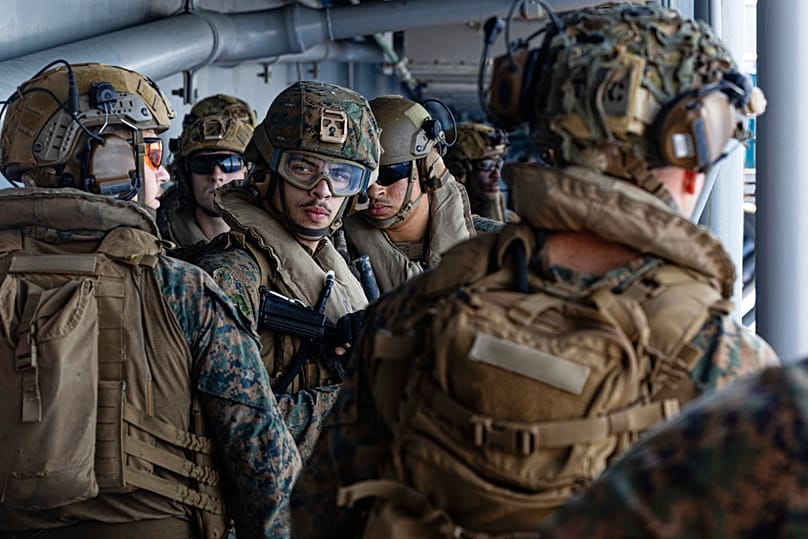
Despite diplomatic efforts, the US has been increasing its military presence in the region. The USS Tripoli, an amphibious assault ship carrying around 3,500 Marines and sailors, arrived in the Middle East on Friday. According to The Washington Post, the Pentagon was preparing plans for weeks of ground operations, including potential raids near the Strait of Hormuz, although no official approval has been given yet.
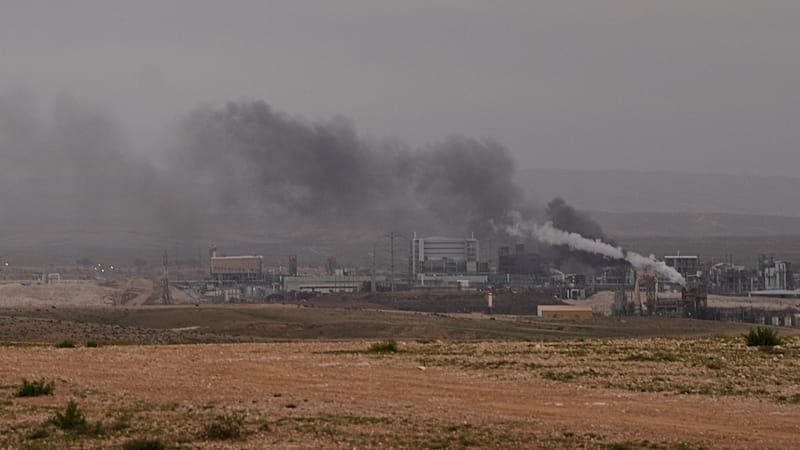
Iran launched strikes on Kuwait and Saudi Arabia following attacks on its electrical facilities, which caused power outages in parts of Tehran and surrounding areas. The Iranian energy ministry reported that electricity was cut off in these regions, and efforts were underway to restore power.
Trump had previously threatened to strike Iranian power stations if Tehran did not negotiate a peace deal, but he has repeatedly extended the deadline. An Iranian strike on a power station and water desalination plant in Kuwait killed one Indian worker and damaged a building at the site, according to the Gulf state’s electricity ministry.
Meanwhile, Saudi Arabia’s defense ministry reported intercepting five ballistic missiles.
Expansion of Israeli Operations
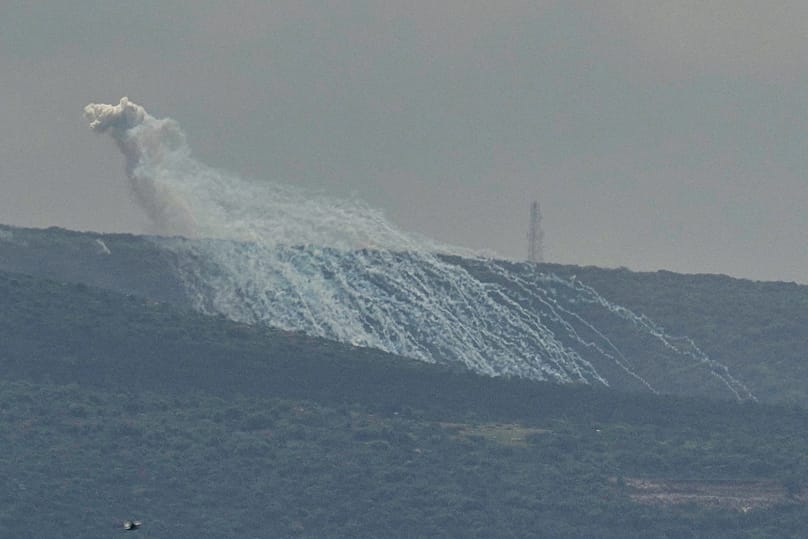
Israeli Prime Minister Benjamin Netanyahu announced plans to expand the existing security zone in southern Lebanon as part of the country’s ongoing ground invasion. The move aims to neutralize threats from Hezbollah militants and prevent anti-tank missile fire from reaching the border.
“Iran is no longer the same Iran, Hezbollah is no longer the same Hezbollah, and Hamas is no longer the same Hamas,” Netanyahu said. “These are no longer terrorist armies threatening our existence — they are defeated enemies, fighting for their own survival.”
Netanyahu emphasized the determination of Israel’s military, stating, “We are determined, we are fighting, and with God’s help, we are winning.”
Rising Death Toll and Humanitarian Crisis
The death toll continues to rise across the region. Lebanon’s health ministry reported that 1,238 people had been killed in the country since the start of the latest war with Hezbollah on March 2. The toll included 124 children, with over 3,500 injured. On Saturday and Sunday alone, 49 people were killed, including 10 rescue workers and three journalists.
The UN force in Lebanon (UNIFIL) confirmed the death of one peacekeeper after a projectile hit one of its positions near Adchit Al Qusayr. Another peacekeeper was critically injured, and the organization is investigating the origin of the projectile.
Iran’s government has not released updated casualty figures recently, but the US-based Human Rights Activists News Agency (HRANA) reported that at least 3,461 people had been killed, including 1,551 civilians, among them at least 236 children. Israeli emergency services and authorities report 19 civilian deaths on the Israeli side, while Gulf states and the US Central Command (CENTCOM) have reported 38 deaths, including 19 civilians. CENTCOM has confirmed six US service personnel killed in Kuwait and one killed in Saudi Arabia.
Ongoing Challenges and Uncertain Future
As the conflict intensifies, the humanitarian crisis deepens, with power outages, military confrontations, and rising casualties affecting both sides. The international community remains divided on how to address the situation, with some advocating for diplomacy and others pushing for continued military action. The path to peace remains unclear, with each side accusing the other of undermining efforts to bring stability to the region.