Portland Evaluates Monthly Fees to Generate $47M Annually for Road Repairs
Introduction to New Fees for Transportation Funding
City Council is preparing to address two new fees aimed at supporting the Bureau of Transportation (PBOT) and essential street maintenance. These proposed measures come as existing funding sources, such as the local 10-cent per gallon gas tax, are declining and no longer provide reliable financial support.
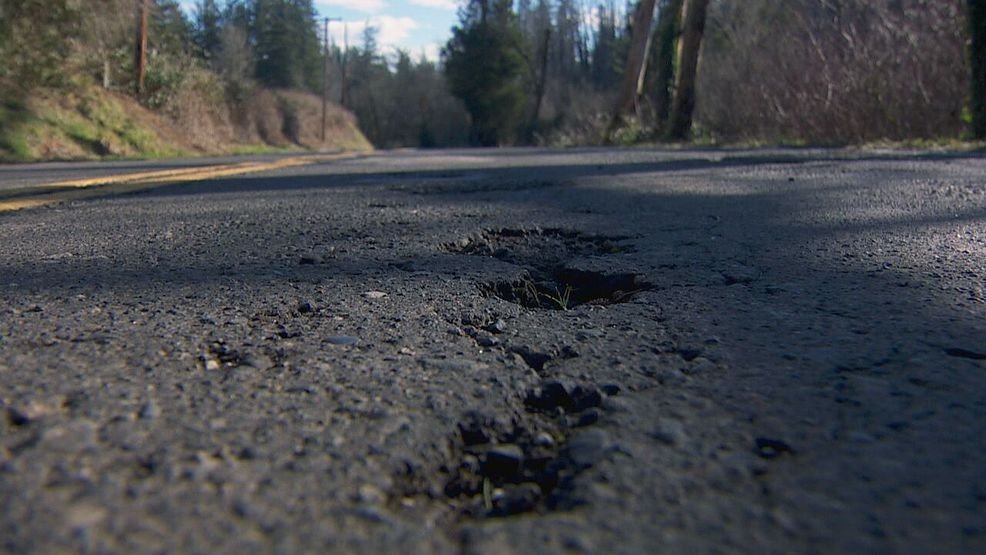
Olivia Clark, City Council Vice President and chair of the Transportation and Infrastructure Committee, is spearheading the initiative. She emphasized the urgency of addressing the deteriorating infrastructure, stating, “If we don’t do something now, we’re gonna pay for it later because the streets are just continuing to deteriorate, and if we don’t fix a pothole now, it’s 10 times more expensive to resurface the street so we have got to get on it.”
Proposed Transportation Utility Fee
One of the key proposals is the Transportation Utility Fee, which would impose a monthly charge on residents and businesses. This fee would likely be added to existing water and sewer bills. Single-family homes could expect to pay around $12 per month, while renters might see charges of approximately $8 or $9 per month. PBOT estimates this fee could generate about $47 million annually.
The funds collected from this fee would go into a dedicated account within the City’s Transportation Operating Fund. This money would be used for maintaining and preserving transportation infrastructure, including pothole repairs, pavement preservation, traffic signal and streetlight maintenance, bicycle and pedestrian facility maintenance, and sidewalk and curb repair.
Street Damage Restoration Fee
In addition to the Transportation Utility Fee, there is also a proposal for a Street Damage Restoration Fee. This fee would apply to utilities and other companies that excavate roadways for any project, repair, or construction. PBOT estimates that this fee could collect between $7 million and $22 million annually, depending on the rate set.
Financial Challenges Facing PBOT
These discussions are taking place against the backdrop of significant financial challenges for PBOT. The bureau is currently facing a major budget shortfall, with many roads, bridges, signals, and other infrastructure in need of critical repairs. PBOT’s maintenance project backlog now totals $6.6 billion.
Since 2019, PBOT has reduced funding for key services by $42 million, drained $63 million in reserves, and cut 66 jobs. Additionally, the bureau is continuing to tighten its budget due to reduced federal grant funding. A state transportation bill being referred to the ballot is expected to cut bureau revenue by $10.6 million this fiscal year and $24 million next year.
Rising Infrastructure Deterioration
These funding gaps are making it increasingly difficult for PBOT to keep up with the rising percentage of streets in poor condition. According to PBOT, over the last five years, the percentage of busy streets in poor condition has increased from 43% to 64%, and the percentage of local streets from 55% to 72%. Nearly 50% of the bridges maintained by PBOT are operating past their expected lifespan.
Public Reaction to the Proposed Fees
Many Portlanders have expressed concerns about the need for repairs, with some noting that the condition of the streets is obvious. Kris Basta stated, “Those are the things that we should be focusing on right now. I mean, just rolling down the street, you can plainly see that the streets are in need of work.”
However, there is also concern about the impact of additional fees on residents. Tom McGuire mentioned, “It’s tough because affordability is tricking for everyone right now.” Troy Douglas added, “12 bucks extra a month doesn’t sound bad, but right now it’s tough times.”
Regional Context and Financial Assistance Options
Clark pointed out that many cities in Oregon already have similar transportation utility fees. “There are 31 cities in Oregon that already have a transportation utility fee,” she said. “We don’t have one. So, what we’re looking at is just being an average in our region, and that’s $12 a month.”
She also noted that if the fees are implemented, there will be options for people to receive financial assistance if needed.
City Council is scheduled to discuss the two fees on April 2.
