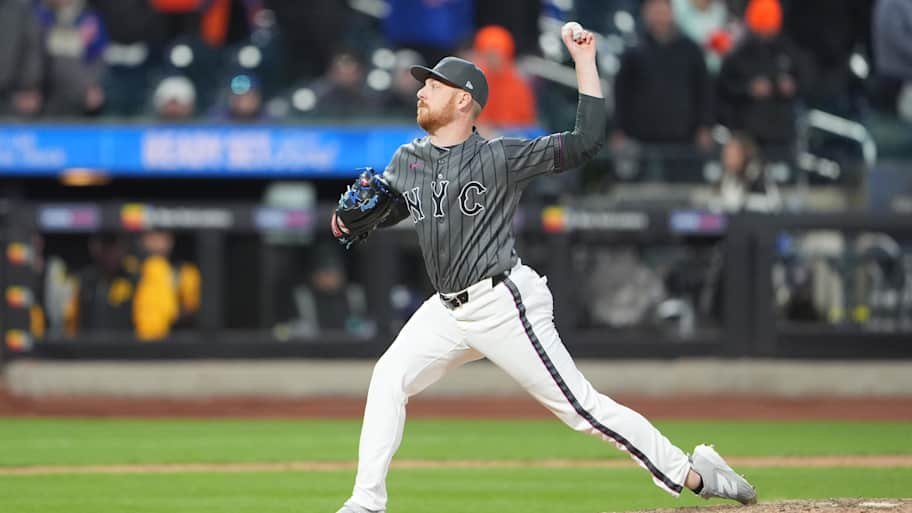
Carlos Mendoza Unpacks Mets’ Controversial Bullpen Strategy
The New York Mets and the Controversial Bullpen Decision
The New York Mets faced a tough loss on Sunday, falling 4-3 to the Pittsburgh Pirates in 10 innings. This defeat prevented them from sweeping the series, but it also sparked criticism of manager Carlos Mendoza’s bullpen decisions. Fans were particularly upset with the use of Richard Lovelady in the 10th inning, a move that many felt was questionable.
Lovelady, who was the last player added to the roster before Opening Day, had already pitched on Saturday. His back-to-back appearances in the game led to two runs being scored in the top of the 10th inning. Despite this, Mendoza chose to start the 10th inning with Lovelady instead of using more experienced relievers like Devin Williams or Brooks Raley.
After the game, Mendoza explained his decision. He revealed that both Williams and Raley were unavailable because they had worked in Saturday’s win. This left Mendoza with limited options for the 10th inning.
Why the Mets’ Decisions Were Justified
Following an off day on Friday, the Mets’ bullpen was relatively fresh, except for Tobias Myers, who had thrown three innings on Opening Day. With Myers likely unavailable until Monday, Mendoza had seven relievers to manage the rest of the weekend.
The team played aggressively to secure a series win, using almost every reliever in their bullpen except for Sean Manaea. Nolan McLean provided five innings of work, and Mendoza also used Manaea along with three other relievers who had pitched on Saturday: Huascar Brazoban, Luke Weaver, and Lovelady.
Winning a series is crucial for the Mets to reach the playoffs, and they had already secured the first two games against the Pirates. While sweeping the series would have been ideal, it wouldn’t significantly impact their chances of making the postseason. Therefore, Mendoza opted to play it safe by avoiding overusing the back-end relievers.
If the Mets had been down 0-2 and looking to avoid a sweep, Mendoza might have taken a different approach. An off day on Monday could have helped Williams’ availability, but the Mets don’t have another off day until Thursday when they begin a series in St. Louis.
Mets fans are still reeling from missing the postseason by just one game last season, but a single game in March won’t make a significant difference for the team this year. If the Mets are struggling in September due to a game lost in April, that would indicate a larger issue.
The Long Game: A Marathon, Not a Sprint
It’s essential to remember that the MLB season is a 162-game marathon, not a sprint. Overusing relievers in March and April can lead to burnout before the summer, which could result in costly performance dips in August or September.
Mendoza faced a tough situation with the Mets playing extra-inning games on consecutive days in March. His starters were still building up their pitch counts, and the offense didn’t help much, going just 2-for-10 with runners in scoring position on Sunday.
Failing to complete a sweep was disappointing, but the Mets are playing the long game. Sometimes, losing a battle is necessary to win the war, and today’s bullpen usage reflects that strategy.
Key Takeaways
- Bullpen Management: Mendoza made tough decisions to preserve key relievers for later in the season.
- Series Importance: Winning a series is more critical than sweeping, especially early in the season.
- Long-Term Strategy: Avoiding overuse of relievers in March and April helps prevent burnout during the crucial summer months.
- Fan Reaction: Fans were upset about the loss and the bullpen choices, but the team’s focus remains on the long-term goal of making the playoffs.
The Mets are navigating a complex season, balancing immediate results with long-term success. Their decisions reflect a careful approach to managing their roster and ensuring they are in the best position to compete in the playoffs.
