Trump Lifts Cuban Oil Blockade, Lets Russian Tanker Through
U.S. President Signals Shift on Oil Shipments to Cuba
U.S. President Donald Trump has indicated a potential shift in his stance regarding the restriction of oil shipments to Cuba. During a press conference aboard Air Force One, he expressed no objections to any country sending crude oil to Cuba, especially as a Russian tanker approached a Cuban port with a critical shipment. This development comes amid ongoing tensions and economic challenges faced by Cuba.
The Russian Tanker’s Arrival
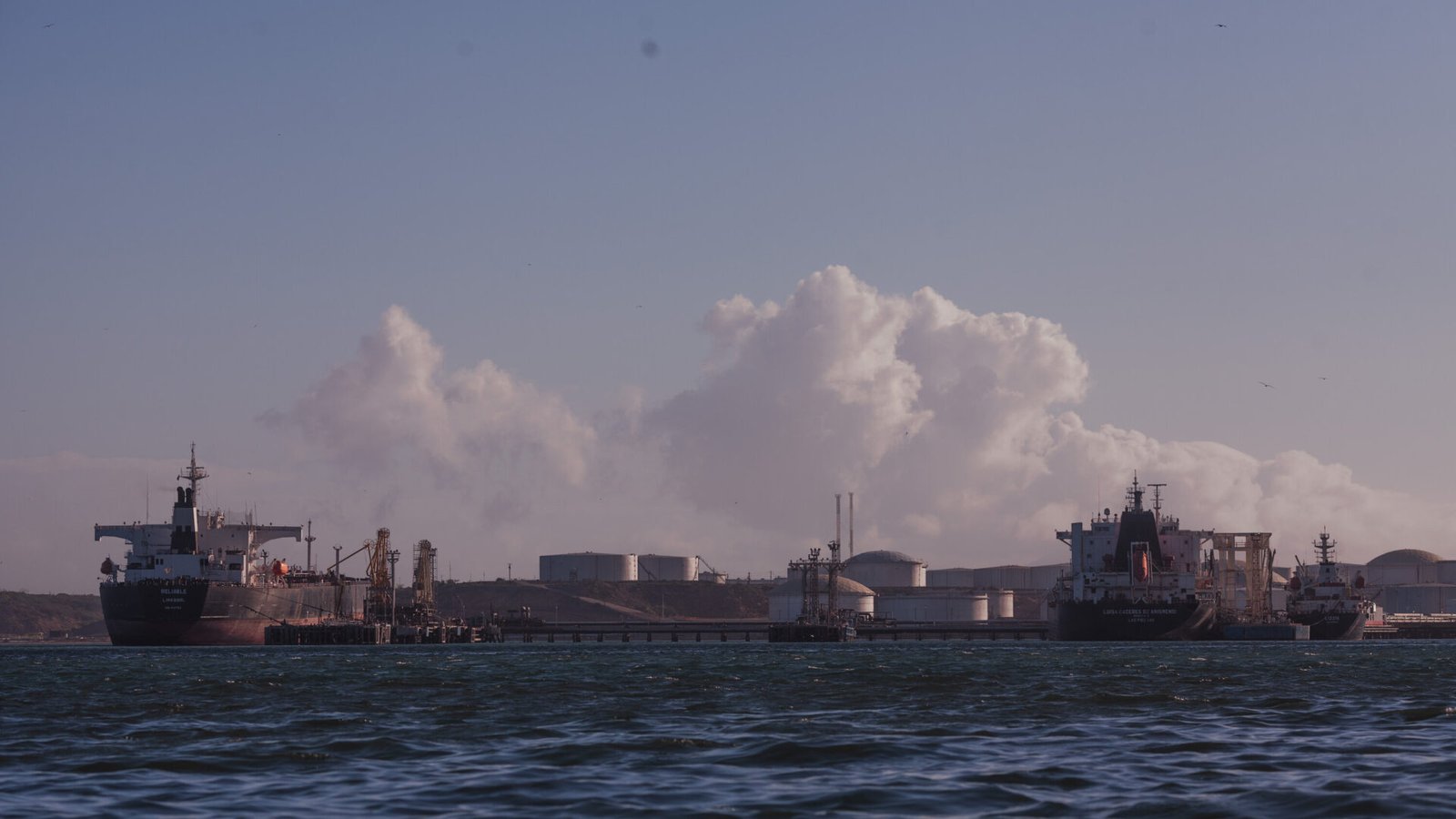
A sanctioned Russian vessel, part of the country’s “shadow fleet,” was observed near the coast of eastern Cuba according to ship tracking data. It was anticipated to reach the port on Monday, providing much-needed relief to Cuba’s struggling economy, which has been severely impacted by a de facto oil blockade imposed by the United States. This situation has left Cuba without an oil tanker for three months, according to President Miguel Diaz-Canel, worsening an energy crisis that has led to strict gasoline rationing and frequent blackouts across the island.
Impact on Cuban Citizens
The energy crisis has had severe consequences, particularly for Cuban cancer patients, with increased mortality risks reported by health officials. Despite these challenges, Trump expressed sympathy for the Cuban people’s need for energy and suggested that the assistance provided would not significantly impact the Communist government in Havana, which he believes will soon collapse.
“If a country wants to send some oil into Cuba right now, I have no problem with that, whether it’s Russia or not,” Trump stated. He added, “Cuba is finished. They have a bad regime. They have very bad and corrupt leadership, and whether or not they get a boat of oil, it’s not going to matter.”
Geopolitical Implications
While showing concern for Cubans, Trump has also issued several threatening statements against the Cuban government. He mentioned that he plans to focus more attention on the country after addressing issues with Iran. The arrival of the Russian tanker, the Anatoly Kolodkin, carrying approximately 650,000 barrels of crude, marks a significant moment in this geopolitical landscape.
The official Cuban news outlet, Cubadebate, described the Russian shipment as a direct challenge to the U.S. oil blockade. The Russian navy escorted the sanctioned vessel through the English Channel on its way to the Caribbean. Reports suggest that the U.S. Coast Guard allowed the sanctioned vessel to sail to Cuba, although the reasons remain unclear.
Strategic Importance of Cuba
Brett Erickson of Obsidian Risk Advisors highlighted the significance of the Anatoly Kolodkin’s arrival, noting that it occurs against the backdrop of the British government allowing another Russian ship from the shadow fleet, the VAYU 1, to pass through the English Channel. This move reflects the complex dynamics at play in global oil trade and geopolitics.
Russia has benefited significantly from the war in Iran, while simultaneously providing crucial oil to Cuba. The strategic importance of Cuba to Moscow has grown since the fall of allies in Syria and Venezuela, and with Iran under attack. Erickson noted that while Havana doesn’t require a large amount of oil to operate, the Kolodkin’s cargo could extend to about a month considering Cuban rationing.
